
Related Posts



Podcasts




Did you know that according to a study conducted on Gen Zs by Pinterest, 39% say they prefer to start their searches on Pinterest.
While that may be true, there’s no way to target exact searches on Pinterest with your ads… until now.
Pinterest has just launched a new Top of Search Ads placement. It puts your product right where people are actively searching… at the top of results, in front of high-intent users.
Sounds promising, but is it just Pinterest catching up… or is it a must-test?
You’re probably wondering: “Another new ad placement? Should I actually care?”
You’ve seen shiny beta features before. Most fizzle out.
Some? They quietly become your best-performing channels.
That’s what makes this tricky.
In this article, you’ll get clear on what these new ads actually are, how they work, whether the early results stack up, and most importantly, how you can test them strategically in 2026 without burning budget.
What Are Pinterest’s Top of Search Ads?
Pinterest’s new Top of Search Ads are exactly what they sound like: sponsored listings that appear in the top 10 results when a user searches for something on Pinterest.
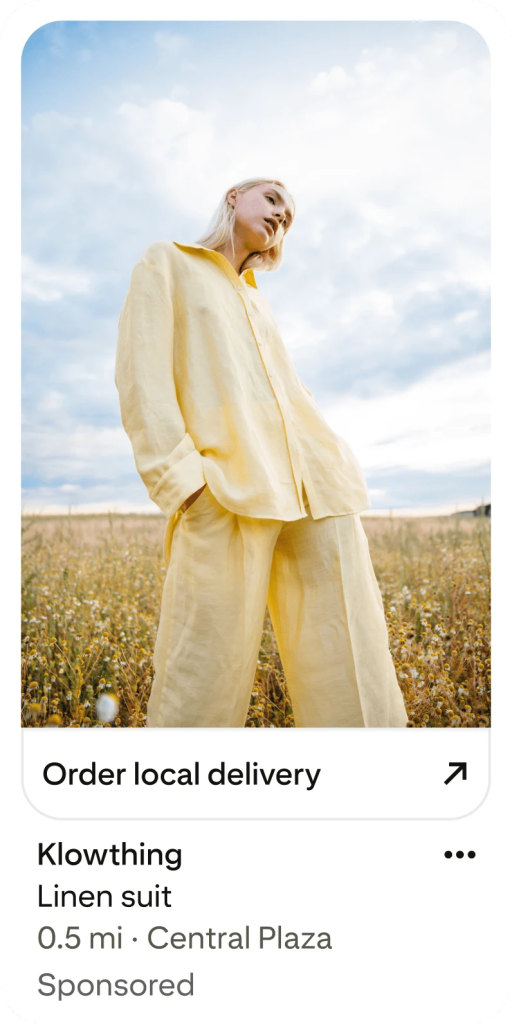
This puts your brand directly in front of users who are actively hunting for ideas or products on Pinterest, right when they’re most likely to click, save, or buy.
These ads don’t just show up once.
Pinterest says they can appear in both the initial top 10 results and in the related pin results, so you get multiple chances to grab attention during a single session.
They’re designed to blend into the platform’s visual search experience, meaning your ad looks like a natural part of the feed, only it’s placed in a premium spot.
This is similar to how Google or Amazon promote ads above organic results, but with Pinterest’s unique visual twist.
This lets advertisers “own” the top of a user’s search journey, particularly for high-intent keywords like “wedding decor ideas”, for example.
Key differences from Pinterest’s standard ads:
- Visibility: These are guaranteed to appear in the most visible slots, unlike standard ads that compete deeper in the results.
- Intent targeting: They’re tied closely to keywords with purchase or planning intent.
- Format: They’re visually rich, supporting product pins or dynamic shopping formats from your catalog.
Pinterest’s aim is to give advertisers more control over high-intent placements, and more direct ways to drive measurable results like clicks and conversions, without relying purely on organic visibility.

Are Paid Ads on Instagram Worth It?
Early Performance & Observed Benchmarks
Pinterest is still in the early stages of rolling out Top of Search Ads, but the initial results they’ve shared are promising.
According to Pinterest’s internal data shared via their beta announcement, advertisers testing Top of Search placements saw:
- A 29% increase in click-through rate (CTR) for Top of Search Campaigns compared to typical campaigns
- Some advertisers reported a 237% increase in CTR over a two week period compared to their typical campaigns
That kind of uplift sounds impressive, but here’s the catch: these are averages across a select group of beta advertisers. It’s unclear how much these gains were influenced by things like brand category, creative quality, bidding strategy, or targeting setup.
What can we take from these results?
- High-visibility placements often drive more clicks, especially on a visual-first platform like Pinterest.
- Top of Search could offer stronger performance than lower-placed search ads or broader awareness formats.
- CPMs might be higher, but so are the returns, meaning efficiency might improve if you’re targeting the right terms.
That said, don’t expect plug-and-play results. If your creative doesn’t resonate, or if your targeting is too broad, your performance may look very different.
What this means for you:
- If you’re already seeing good results from Pinterest Search or Shopping Ads, this could be a strong next step.
- If you’re new to Pinterest, this feature alone won’t guarantee success, but it might shorten the learning curve if you approach it strategically.
Use the 5-Point Ad Framework to Drastically Increase Leads From Your Paid Ads
Future Outlook & Trends
Pinterest’s Top of Search Ads are just getting started. If the early results hold and adoption grows, here’s where things are likely headed in 2026 and beyond.
- Broader rollout and more markets: Right now, this ad type is in beta. Expect Pinterest to open it up to more advertisers globally. As inventory expands, there may be greater competition, so early adopters could benefit from lower CPCs while supply still outweighs demand.
- More automation and smarter targeting: Pinterest has been steadily adding automation tools (like dynamic targeting, auto-bidding, and AI-driven creative optimisation). Expect those features to extend into Top of Search Ads, giving you more ways to scale and simplify campaign management.
- New formats layered into search: Pinterest may add richer media formats (like short-form video or carousel ads) directly into search placements. If that happens, the creative bar will rise. Brands with high-quality visuals and compelling motion content will have an edge.
- Platform positioning shift: Pinterest is increasingly positioning itself not just as a discovery engine, but as a full-funnel commerce platform. Top of Search Ads align with that goal by allowing advertisers to intercept high-intent traffic at the decision-making moment.
- New Opportunity: Pinterest is likely to double down on performance-focused features, more attribution data, better product feed tools, and stronger retargeting,making it more competitive with platforms like Google Shopping or Amazon Ads.
- Watch for saturation and rising costs: As more advertisers jump in, CPMs and CPCs will likely increase. If you’re testing now, you’re ahead of that curve. But long term, it will become crucial to keep an eye on cost trends and creative fatigue.
The early results are strong, but like any new ad product, the value depends on how well you use it.
This isn’t a guaranteed win.
But it’s a strategic testing ground for 2026, especially if you already use Pinterest or want to diversify beyond Google and Meta.
At the end of the day, regardless of the platform you use, it all comes back down to your ad creative and message.
Here’s a free guide you can use to audit your ad creatives and find potential winners before you even spend a cent.