
Related Posts



Podcasts




Can paid ads actually bring in high-quality leads for your construction business?
If your gut says “probably not,” you’re not alone.
Paid ads often get a bad rap in the construction industry. Too expensive. Too inconsistent. Too hard to track.
But, often, it’s not the ads themselves that are the problem: it’s using them in isolation, without a real strategy behind them.
We’ve analysed hundreds of campaigns in the building and construction space for our clients and seen first-hand what separates the ad spend that disappears from the ad spend that delivers.
The patterns are clear: when paid ads are integrated into a wider marketing strategy, they consistently attract higher-quality leads and measurable ROI.
If you’re trying to figure out whether paid ads are worth it for your business, this article will give you clarity.
You’ll learn how paid ads fit into effective marketing for construction companies (and what to do if you want to stop wasting budget and start attracting the right leads).
What Are Paid Ads?
Paid ads are when you pay to get your business in front of your ideal customer online.
You’ve probably seen them before: Google Ads that show up when someone searches “commercial builder near me,” or Facebook ads that slide into your feed showcasing a recent project or service.
They’re called “paid” because you’re paying a platform (like Google, Facebook, Instagram, or LinkedIn) to put your message in front of a targeted audience.
This is, of course, completely different from the organic content you’re probably used to posting or seeing, like blog posts or social media updates you post for free.
Here’s what that usually looks like:
- Google Ads: Useful for targeting someone when they’re actively searching for something; think “civil construction companies Brisbane” or “home extension quotes.”
- Meta Ads (Facebook & Instagram): You’re not always catching people in buying mode, but you’re building familiarity and trust.
- LinkedIn Ads: More niche and much more expensive but could be effective if you’re targeting commercial decision-makers, engineers, architects, or property developers.
Paid ads only work when you have the right strategy behind them. Think of them like fuel: if your marketing engine isn’t working properly, more fuel won’t help.
You need both the machine and petrol to run smoothly.
In short: paid ads are a powerful tool, but only when you know how and when to use them.
5 Reasons Paid Ads Could Fail in Marketing for Construction Companies
If you’re spending money on ads but not seeing results, there’s probably a reason. And it’s rarely about the platform or the ad itself.
It usually comes down to how the whole thing has been set up (or not set up).
Let’s look at five ways we’ve seen paid ads miss the mark for construction companies:
Reason #1: Ads Run Without a Clear Purpose
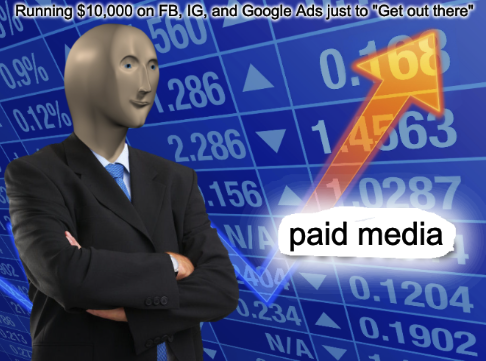
Sometimes, construction companies start campaigns with vague goals like “get more leads” or “get our name out there.” But what kind of leads? For which service? In which area?
For example, a company offering both residential renovations and commercial fitouts might run a generic ad promoting “quality construction services.” That’s too broad.
An approach we’d recommend, for example, is building a strategy with more specific, intentional targeting; one that has more detailed audience definitions like:
- Homeowners in Sydney’s Inner West looking for second-storey extensions;
- Commercial building owners in Melbourne looking to renovate sections of their spaces, or;
- Facility managers in Brisbane searching for office refurbishments.
See how much more specific those examples are?
Here’s a helpful template you can use to establish the same level of detail:
[Type of audience] + “in” + [Location] + [action related to anything in your service scope/offerings] = Well-Defined Ad Audience Target
This approach can be your standard baseline when you set up the target audiences for your next paid ads campaign.
Clear purpose means clear messaging… and, more importantly: better results.
Reason #2: Targeting and Ad Copy Are Way Too Broad
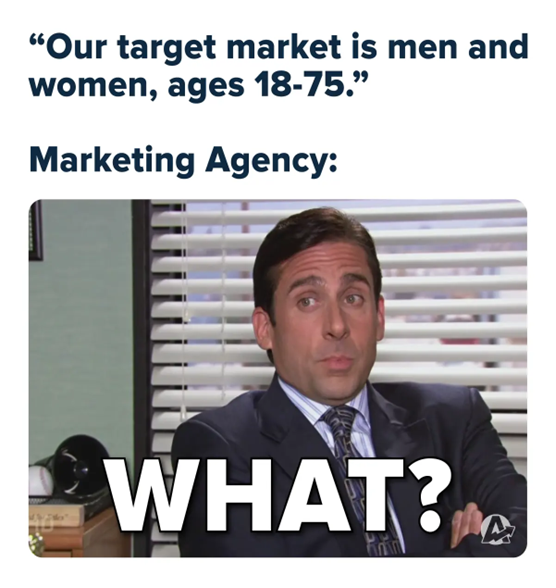
Sticking to the idea of “everyone is a potential customer” can be one of the fastest ways to burn your ad budget, get little to no results, and give your sales team low-quality leads.
Paid ads usually work best when they’re specific: targeting the right people, in the right place, at the right stage of their buying decision.
With algorithm changes and a move towards AI based ad targeting models, platforms like Meta and Google work better if you target broad audiences.
However, that doesn’t mean targeting doesn’t matter anymore. It’s essential to laser focus your copy and creative towards hitting the right audience.
Your creative and copy should be crafted in a way in which only the audience you want to respond to the ad will actually stop and pay attention. This in turn helps the algorithm in finding more of the right users to target.
For example, let’s say you’re targeting home owners who want to re-build and renovate their home. Rather than saying “Get a construction quote for your home’s new renovation”, you might say, “1500+ Aussie home-owners saved money renovating their home using this strategy.”
The difference?
The first version doesn’t call out the audience directly. In the second version, the exact audience we want a response from is called out right from the start.
Reason #3: Sending Traffic to the Wrong Page
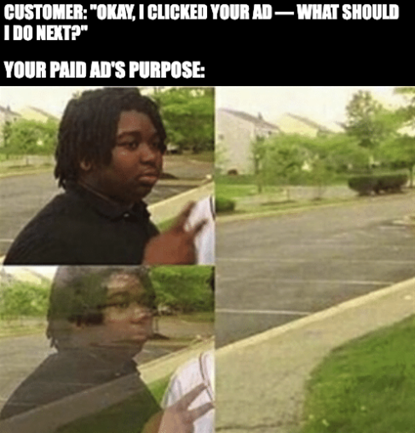
Having paid ads that just send people to your homepage is like inviting someone to a meeting and then not telling them where the meeting room is.
Your landing page should match the ad and guide visitors to take one clear action: whether that’s requesting a quote, downloading a capability statement, or calling your office.
For example, if your ad is about “fitout services in Melbourne,” don’t dump people on a generic homepage. Instead, send them to a page that:
- Talks about your fitout expertise in Melbourne;
- Shows your past work, and;
- Gives them an easy way to take the next step (whether it’s getting a free quote or hopping on a call with your sales team).
With an easy-to-follow framework like this, you’ll have an easier time getting more mileage out of your paid ad campaigns.
Reason #4: Messaging Is Too Generic or Technical
If your ad says, “we deliver premium outcomes across diverse project scopes,” you could end up losing most of your potential leads from your ads.
This can happen because that kind of generic language usually doesn’t connect well enough to engage the people seeing your campaigns.
Instead, say what you do and who you do it for: “Office fitouts for growing tech companies in Sydney’s CBD, delivered in 12 weeks or less.”
Now, that’s more specific, relatable, and clearly communicates the value.
Whether you’re new to writing paid ads or still troubleshooting a few you’ve already written, here’s an easy-to-follow workflow you can use:
Reason #5: No Follow-Up Process
This one hurts the most because it’s usually invisible until it’s too late.
You finally get a good lead through a paid ad… and then nothing happens.
No one calls them. No one sends a follow-up email. They’ll probably move on to another company that replies faster.
In construction, the response window can be tight. If you’re not getting back to leads within a few hours (ideally minutes), you’re probably losing them before you end up realising.
Having a system in place (even something as simple as an automated email or a calendar booking tool) can mean the difference between landing the job and missing out entirely.


A Guide to Email Marketing Automation
Paid ads fail when they’re used without structure, direction, or follow-through. They can absolutely work for construction businesses, but only if they’re done with intent, clarity, and solid follow-up.
Where Paid Ads Would Work in Marketing for Construction Companies
Paid ads don’t work everywhere, and they don’t work for every goal. But, there are specific situations in construction marketing where paid ads pull serious weight…
And knowing when and where to use them is half the battle.
Here are four places where paid ads do make sense for construction companies, based on actual results we’ve seen across the industry:
1. Capturing High-Intent Searches on Google
If someone is searching for “concrete driveway contractor Gold Coast” or “industrial fitout Perth,” they’re probably ready to take action.
These kinds of searchers are what marketers call bottom-of-funnel traffic: they’ve got a need, they’re looking for a solution, and they’re using Google to find it.
This is where Google Search Ads shine. You’re showing up exactly when your ideal buyer is looking, and you’re meeting them with a solution that matches their intent.
Pro-Tip: Don’t forget to match the ad with a strong landing page. If someone clicks on your ad for “commercial office fitouts Sydney,” the page they land on should talk about exactly that; not just your general construction services.
2. Staying Top of Mind with Retargeting
Most buyers in construction don’t convert the first time they hear about you because the buying cycle is generally longer.
This is especially common in commercial and industrial work, because it could be weeks or even months between the first touchpoint and a serious enquiry.
Retargeting ads (sometimes called remarketing) keep your name in front of people who have already visited your website, watched a video, or clicked on a previous ad. It might be a simple concept built on reminding someone that you exist, but it’s powerful.
This strategy usually works well on platforms like Facebook, Instagram, Google Display, and even LinkedIn.
For example, if a project manager checked out your “Design & Construct” page but didn’t contact you, you can follow up with a retargeting ad. This ad can highlight completed projects or client testimonials that will help them prime them enough to call you.
By retargeting, you could avoid wasting money on showing ads to strangers who aren’t the right fit for your services.
Instead, you’re staying in front of people who already showed some level of interest: the ideal audience for your construction marketing strategy that’s more likely to convert.
3. Generating Commercial Leads Through LinkedIn
LinkedIn Ads may be more expensive than Facebook or Google, but they may work well for B2B construction marketing, especially if you’re after commercial, civil, or industrial work.
With LinkedIn Ads, you can target people by industry, job title, seniority, and company size.
So, if you want to connect with asset managers at logistics companies or facilities managers at aged care providers, these ads usually take you straight to them.
Case studies, video walkthroughs of past jobs, and project spotlights are usually the ideal media formats you’ll want to build your LinkedIn Ads on. Keep it short, visual, and relevant to their world.
Quick Recap: Where Paid Ads Pull Their Weight
| Use Case | Platform | Objective |
| High-intent lead capture | Google Search | Leads ready to act |
| Retargeting past visitors | Google Display, Meta, LinkedIn | Stay visible and warm leads |
| Market expansion or awareness (sometimes also lead capture) | Meta | Build brand in new areas |
| Commercial lead generation | Connect with decision-makers |
When used for the right goal, paid ads are one of the fastest ways to get in front of the right people.
The trick isn’t just knowing how to run ads: it’s knowing why you’re running them, who you’re trying to reach, and what message will move them closer to contacting you.

How to Combine Search, Display, and YouTube Ads for a Full-Funnel Campaign
Are Paid Ads Worth It for Your Construction Company?
Paid ads can feel like a gamble: you invest in them, cross your fingers, and hope that leads come pouring in.
Before you dive in, it’s important to assess whether they’re actually the right tool for your business. Usually, this means asking yourself:
- Will paid ads help you reach the people who matter?
- Will they align with your goals and sales processes?
To help you better understand your next move, here’s a quick checklist that can help you decide if paid ads are the right choice for your construction company right now:
If This Is You, Paid Ads Are Worth It:
1. You Have a Clear Service Offering and Target Audience
- You know exactly what you do (e.g., commercial fitouts, residential renovations, or industrial construction).
- You also know who your ideal customers are (e.g., project managers, facility managers, homeowners).
2. You’re Looking to Increase Lead Generation in a Specific Location
- You’re set on expanding in your local market or targeting specific suburbs or regions in the next six to eight months.
- You can directly reach people in your chosen service areas who are actively searching for what you offer.
3. You Have a Ready-to-Go Sales Process
- Your team knows how to follow up on leads quickly and effectively.
- You have a process in place for booking consultations, sending quotes, and closing sales.
4. You’re Ready to Invest in Testing and Optimisation
- You’re prepared to regularly review results, test new ad copy, refine targeting, and adjust your budget based on what works.
- You have time to look at metrics, tweaking campaigns, and learning from data.
5. You Want to Scale or Build Your Brand Presence
- You’re looking to scale your business or establish a stronger presence in your industry.
- You’ve taken the necessary steps to grow your construction company’s online presence on social media.
- You have enough content to give value to potential leads from your ads.
If This Is You, Paid Ads Aren’t Worth It Yet:
1. You Don’t Have a Clear Service Offering or Niche
- You’re still figuring out what you’re offering or who you’re serving.
- You need a clear value proposition and defined target audience before you can craft effective ads.
2. You’re Not Ready to Commit to Lead Follow-Up
- You’re not prepared to respond to potential leads from paid ads quickly.
- Your sales process isn’t streamlined and effective yet.
3. You’re Looking for Quick Wins Without a Proper Marketing Foundation
- You’re hoping paid ads will magically solve your marketing problems
- You don’t have the budget or systems in place to support a paid ads strategy yet.
- You’re not ready to use paid ads as part of a larger, well-rounded marketing strategy yet.
If you fall into the “worth it” category, then paid ads could be a valuable tool to generate more leads, build your brand, and scale your business.
But, if you find yourself in the “not worth it” category, you might want to focus on other forms of marketing (like SEO, content marketing, or relationship building) before jumping into paid ads.
Realistic vs. Unrealistic Expectations
| Expectation | Reality |
| “We’ll have leads tomorrow” | Some campaigns take time to test and refine |
| “Every lead will be qualified” | Some leads won’t be ready to buy right now, and that’s normal |
| “We can just run ads without updating our website” | A poor landing page can waste good traffic |
| “We’ll close every deal” | Your sales process still needs to do the work |
If you treat paid ads like a plug-and-play fix, you’ll burn your budget.
The construction companies seeing real results from paid ads are the ones treating them like part of a bigger marketing machine. They know who they’re targeting and they’ve set up their systems properly.
And they treat paid media as a way to amplify a message that’s already working, not fix one that isn’t.
Turning paid ads into something that’s more than a line item in your expenses entails being more serious about how you use them. This means having the right expectations, applying a well-rounded approach, and spending more time planning out your strategy.
But it can also mean turning to experts who can handle everything involved with your paid ads strategy.
You can bring in the help of a paid media retainer that can handle everything if you might not have the time to manage your strategy.

What is a Paid Media Retainer & What Does It Include?
So, Why Now (and What’s Next)?
If you’re still running marketing by word of mouth, old contacts, or a few inconsistent referral jobs, you could be playing on borrowed time.
Lead pipelines dry up. Competitors start showing up where you should be. And marketing becomes a scramble instead of a system.
Paid ads aren’t magic, but they are one of the fastest ways to get your business in front of the right people and measure what’s working.
Start by taking these next three focused steps:
- Get clear on the type of leads you want
- Choose one platform based on that goal
- Build a landing page that speaks directly to those people
These three steps are where better leads start; and, more importantly, where smarter marketing for construction companies begins.
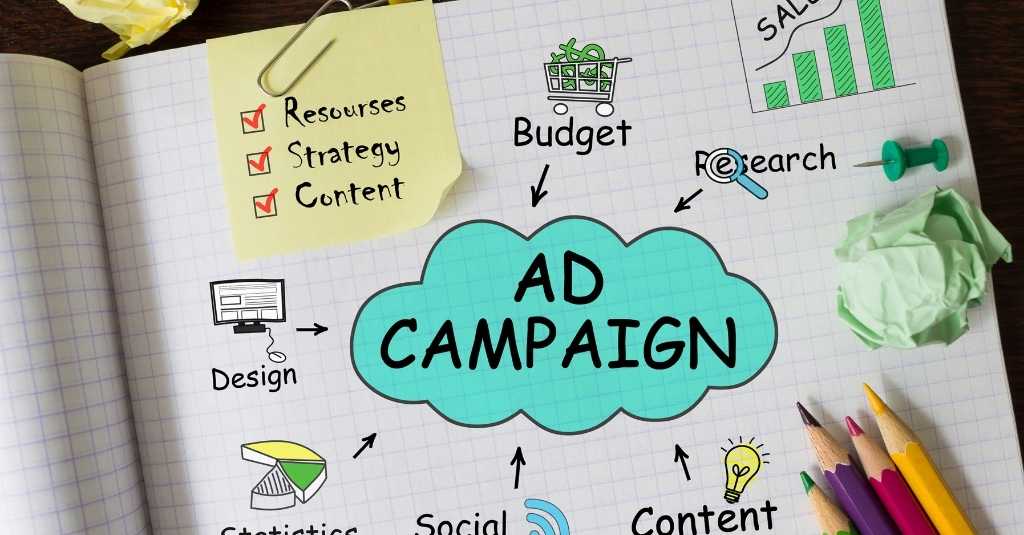
Use the 5-Point Ad Framework to Drastically Increase Leads From Your Paid Ads